
 As someone who loves hosting gatherings and making spaces visually appealing, I’ve always been intrigued by the materials behind the products I use. One item that consistently appears at my events is plastic tablecloths. They’re affordable, versatile, and come in endless colors and patterns. But I’ve often wondered, what are plastic tablecloths made of? Understanding this not only satisfies my curiosity but also helps me make more informed choices when it comes to their usage and disposal.
The Core Materials Behind Plastic Tablecloths
Plastic tablecloths are primarily made from synthetic materials. The most common material is polyethylene (PE), a type of plastic that is lightweight, waterproof, and durable. Polyethylene is widely used because of its flexibility and cost-effectiveness. Another popular material is polyvinyl chloride (PVC), which is known for being slightly heavier and offering a more polished, glossy appearance. Both materials serve similar purposes but differ slightly in terms of texture, durability, and environmental impact.
1. Polyethylene (PE)
Polyethylene is one of the simplest and most widely produced plastics in the world. It’s made from long chains of ethylene molecules, a byproduct of natural gas or petroleum refining. This material is ideal for lightweight tablecloths used at picnics, birthday parties, or casual outdoor events. One key advantage of PE tablecloths is their recyclability, although this depends heavily on local recycling facilities.
PE is often classified into two types when used for tablecloths:
Low-Density Polyethylene (LDPE): Thin, soft, and flexible, making it perfect for disposable table covers.
High-Density Polyethylene (HDPE): Thicker and more durable, often used for reusable plastic tablecloths.
2. Polyvinyl Chloride (PVC)
PVC is another material frequently used in the production of plastic tablecloths. This type of plastic is created by polymerizing vinyl chloride, resulting in a tougher and more elastic material compared to polyethylene. PVC tablecloths often feature a shiny, smooth surface that can mimic the look of fabric. They’re also easy to clean, making them a popular choice for home kitchens or formal events.
To enhance the flexibility and usability of PVC, manufacturers often add plasticizers, which make the material softer and more pliable. However, these additives can raise environmental concerns, as some may release harmful chemicals over time if not handled properly.
3. Blended Materials
In some cases, manufacturers use a blend of polyethylene and PVC to create hybrid tablecloths. These blends combine the lightweight qualities of polyethylene with the sturdier properties of PVC. Some tablecloths may also feature a fabric backing, typically made of polyester or cotton, for added durability and an upscale look.
How Are Plastic Tablecloths Made?
The production process of plastic tablecloths is both fascinating and efficient. Here’s a simplified version of the process:
Material Sourcing: The base materials, such as polyethylene or PVC, are derived from crude oil or natural gas.
Polymerization: Ethylene or vinyl chloride is chemically processed into polymers, forming the base plastic material.
Sheet Formation: The plastic is melted and extruded into thin sheets using high-pressure machinery.
Coloring and Design: At this stage, dyes and patterns are added. Manufacturers use printing techniques like flexography to achieve vibrant designs.
Cutting and Packaging: The sheets are cut into standard tablecloth sizes and folded or rolled for easy packaging.
Why Choose Plastic Tablecloths?
From my experience, the practicality of plastic tablecloths makes them a go-to solution for many situations. Here are some reasons why I and many others prefer them:
1. Affordability
Plastic tablecloths are significantly cheaper than their fabric counterparts, making them ideal for one-time use events. You can easily find options to match any budget.
2. Variety
Whether you’re hosting a child’s birthday party or a formal dinner, there’s a plastic tablecloth to suit your theme. They come in every imaginable color, pattern, and size.
3. Convenience
Plastic tablecloths are waterproof and easy to clean. Spills? No problem. Simply wipe them down or toss them if they’re disposable.
4. Durability
Depending on the material, plastic tablecloths can withstand heavy use. PVC options, in particular, are robust enough for repeated usage.
5. Portability
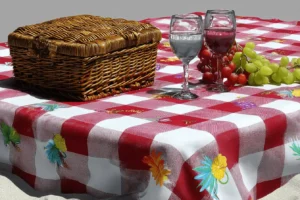
As someone who loves picnics, I appreciate how lightweight and portable these tablecloths are. They fold up small, making them easy to carry.
Environmental Considerations
While plastic tablecloths are incredibly convenient, it’s important to think about their environmental impact. Most plastic tablecloths are not biodegradable, meaning they can take hundreds of years to break down in a landfill. However, there are steps we can take to minimize their ecological footprint:
1. Recycling
Polyethylene-based tablecloths are recyclable in some areas. Be sure to check your local recycling guidelines before disposing of them.
2. Reuse
Whenever possible, I try to reuse my plastic tablecloths. A quick wipe-down is all it takes to get them ready for the next event.
3. Eco-Friendly Alternatives
For those looking to reduce their environmental impact, there are biodegradable plastic tablecloths made from plant-based materials like polylactic acid (PLA). These options break down more quickly and are compostable under industrial conditions.
Personal Reflection
Every time I use a plastic tablecloth, I remind myself of its journey—from raw materials to the final product. Knowing that plastic tablecloths are primarily made of polyethylene and PVC has deepened my appreciation for the technology and craftsmanship behind them. At the same time, it’s encouraged me to be more mindful of how I use and dispose of these products.
Next time you’re planning an event or dinner, take a moment to consider the humble plastic tablecloth. It may seem like a simple item, but its composition, benefits, and challenges make it far more interesting than you might think. By understanding what plastic tablecloths are made of, we can make better choices that align with our needs and values.



 English
 Deutsch
 日本語
日本語 Español
 Português do Brasil